

Billing disputes
We review estimated bills, unexplained arrears, tariff errors and disputed adjustments.
Request support → NECAINaijainclusive Electricity Customer

Promoting
FairnessTransparencyCustomer Rightsin Nigeria’s power sector
How we help
From the first complaint to regulatory escalation, NECAI helps customers understand the process, document the facts and pursue a fair outcome.
We review estimated bills, unexplained arrears, tariff errors and disputed adjustments.
Request support →We advocate for customers affected by faulty, obsolete or delayed meters.
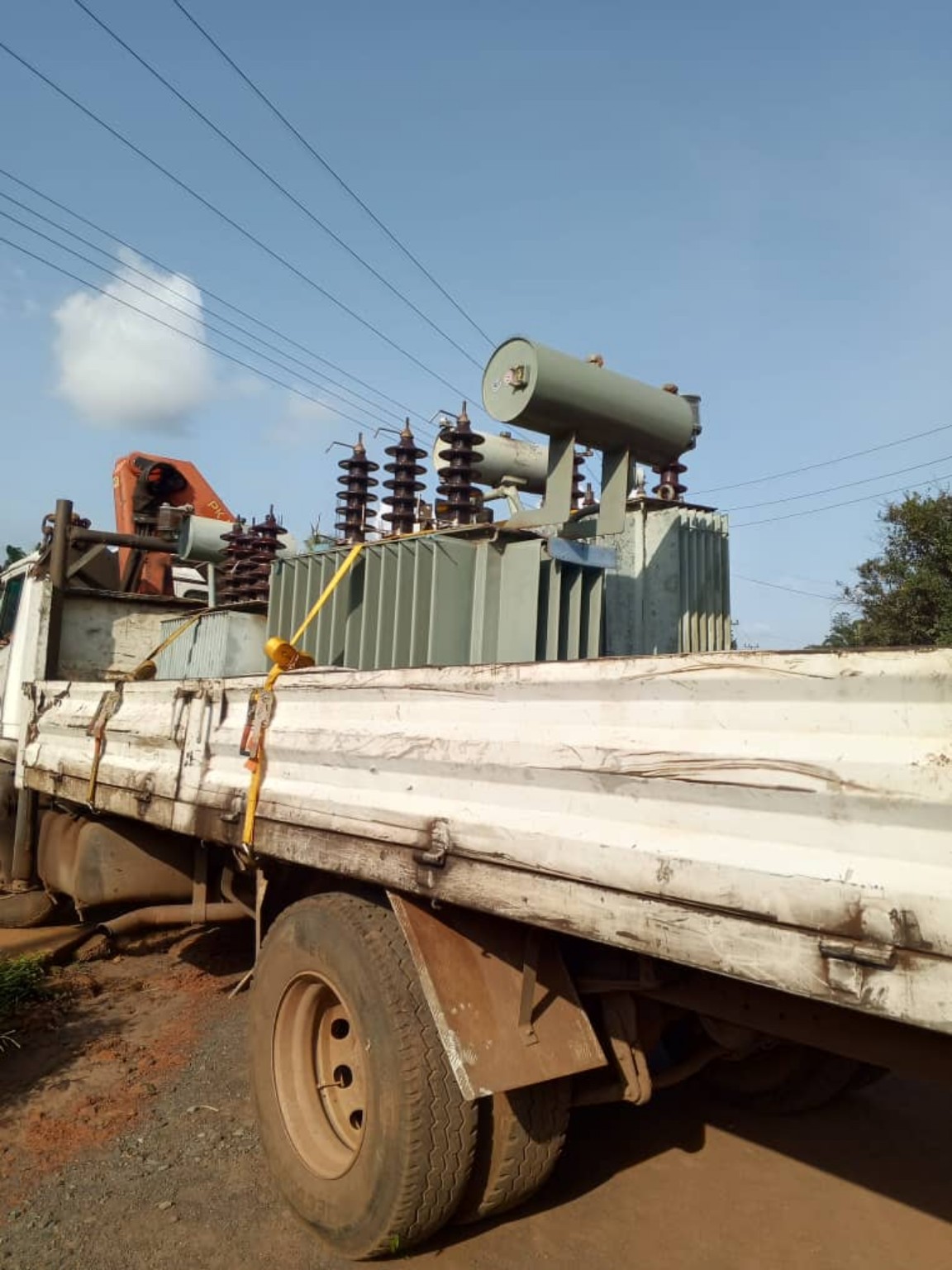
Request support →We pursue fair treatment during prolonged outages, transformer faults and delayed restoration.
Request support →About NECAI
Naijainclusive Electricity Customer Advocacy Intervention is an independent consumer-advocacy organisation. We help residential customers, businesses and communities document electricity-service failures and pursue redress through the proper channels.
To protect and advance the rights of electricity customers through education, evidence-based advocacy, complaint resolution, regulatory engagement and the pursuit of fair, transparent and accountable electricity services.
A Nigerian electricity sector where every customer is treated fairly, properly informed, accurately billed and provided with reliable service and effective access to redress.
We combine practical billing analysis, regulatory knowledge and direct engagement to ensure that electricity customers are heard.
NECAI in action
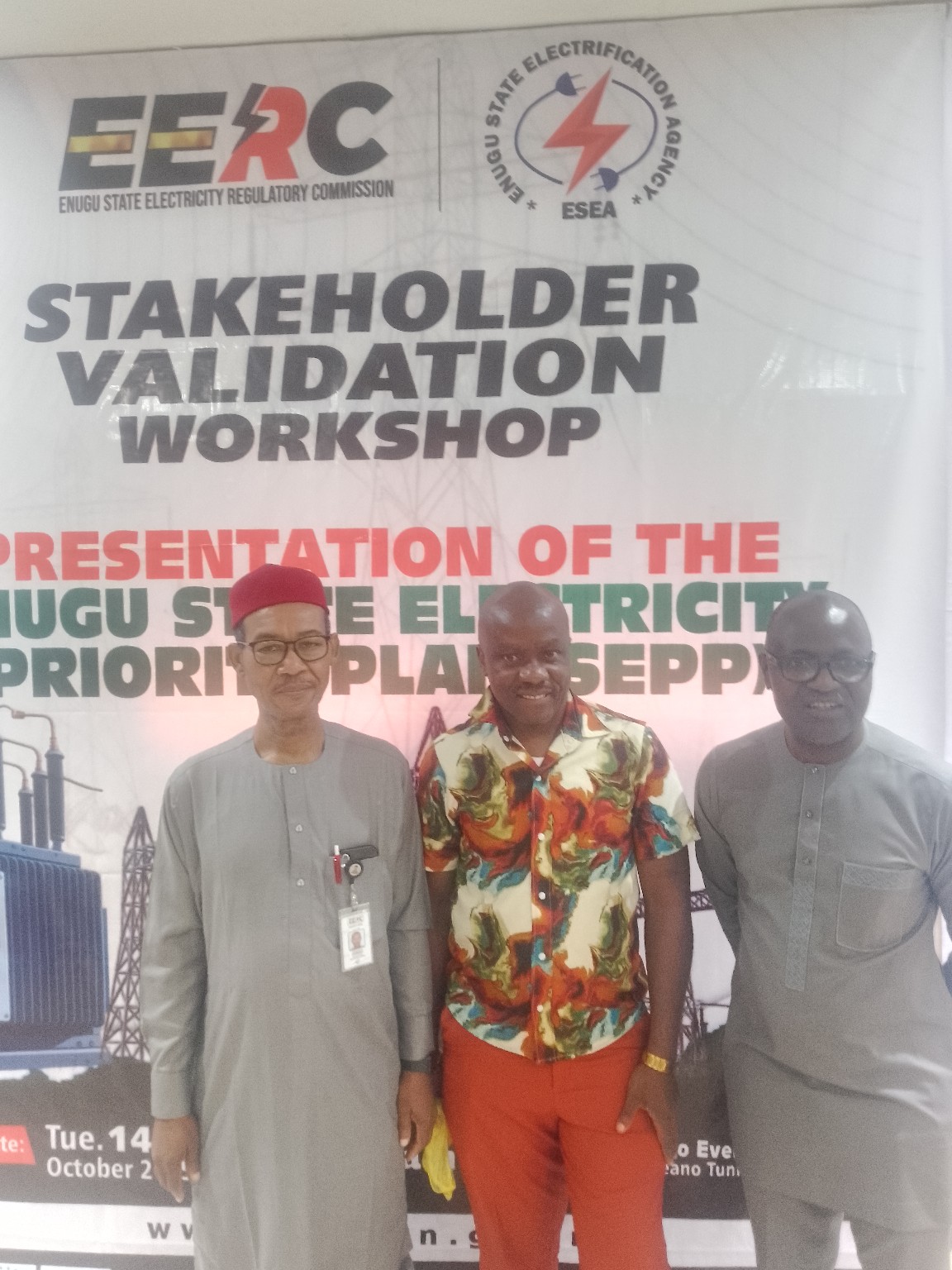
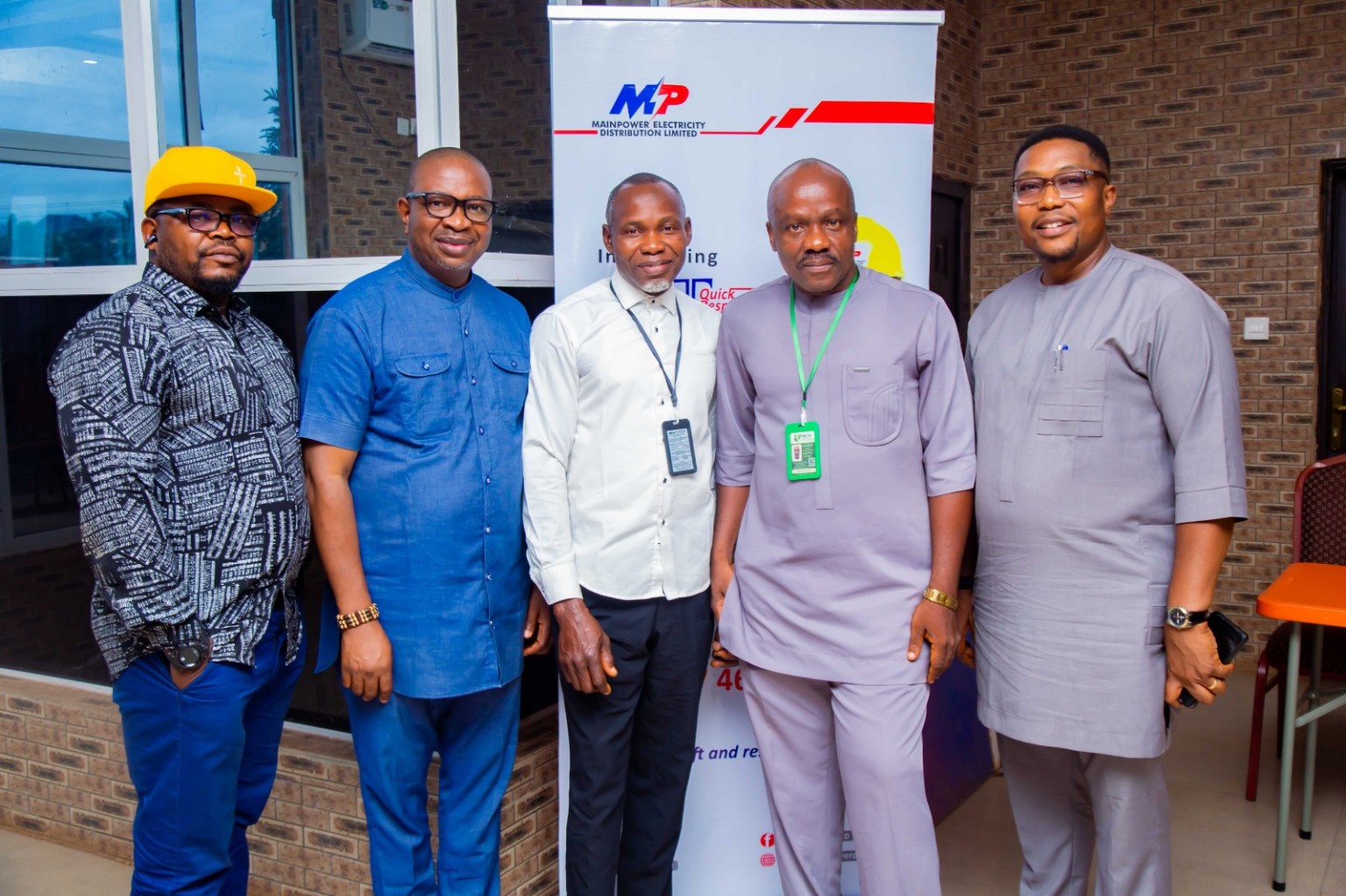
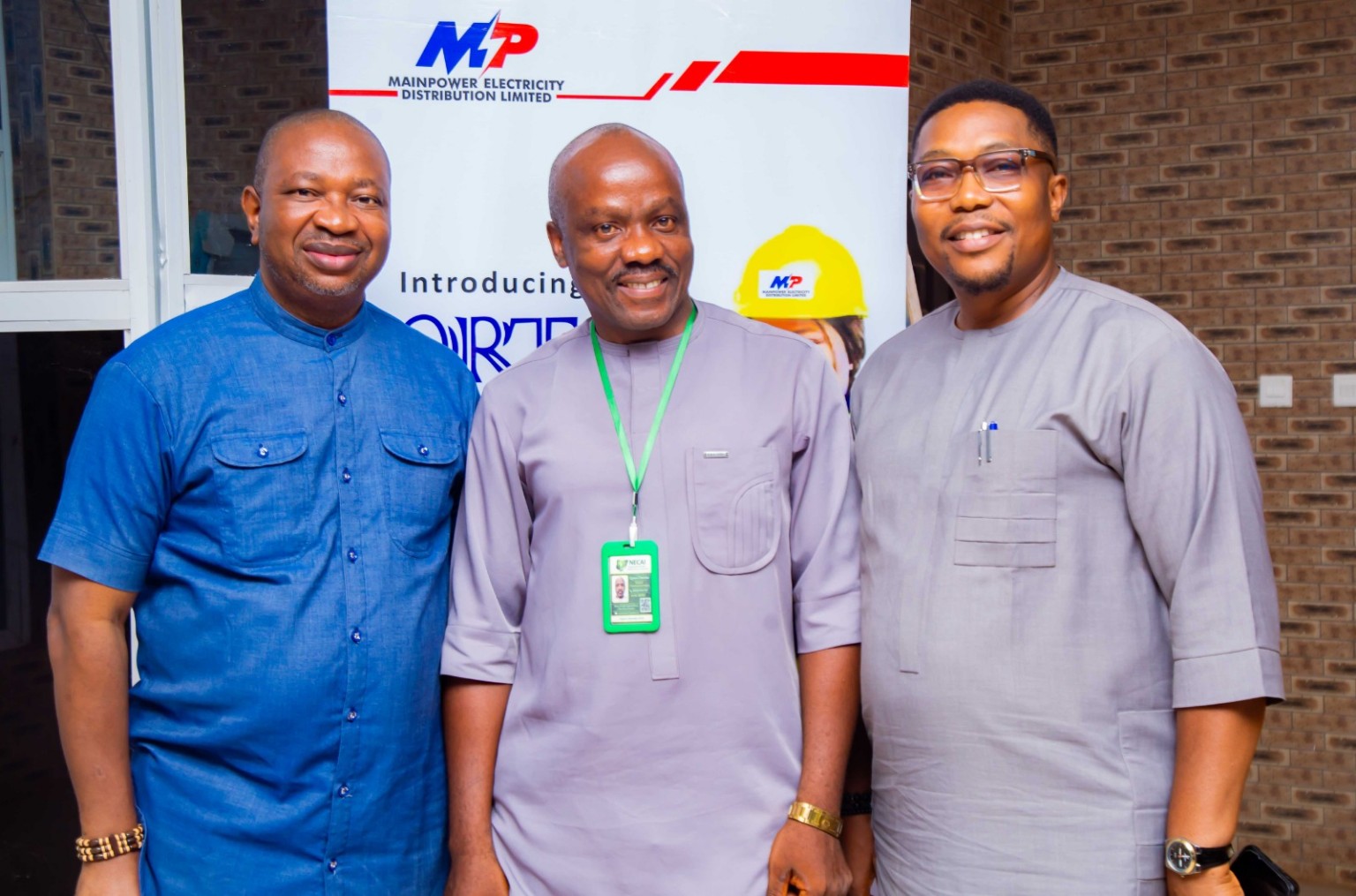
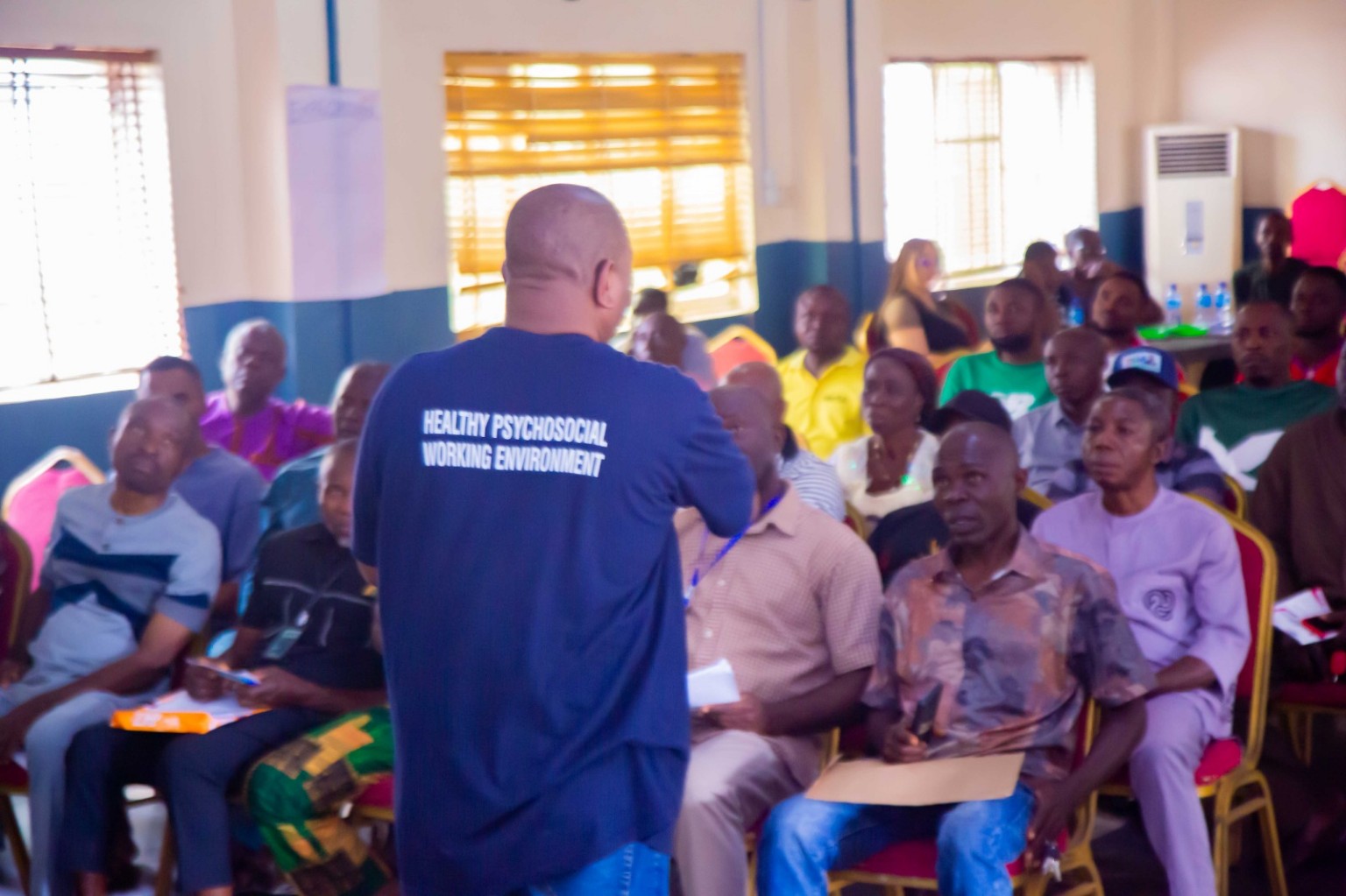
NECAI participated in the MainPower–Nsukka District Customer Engagement Programme, advancing constructive dialogue among electricity customers, the service provider and industry stakeholders.
12–13 August 2026 · Nsukka
The programme created an opportunity for customers to present complaints directly, receive guidance and seek fair resolution. NECAI used the engagement to advocate for improved customer service, accountable complaint handling and stronger collaboration with MainPower.
“From complaint to action: helping customers present their cases, engage the service provider and pursue fair resolution.”





Know your rights
Knowing the rules is the first step toward challenging unfair treatment. These protections may depend on the facts of each complaint and the applicable regulation.
Your bill should reflect lawful tariffs, valid readings or the applicable estimated-billing cap.
Faulty meter complaints should be acknowledged and addressed within the applicable regulatory period.
A properly filed complaint about an unpaid bill should be resolved through the complaint process.
Service providers should explain decisions, adjustments and complaint outcomes in writing.
The complaint pathway
Send us the facts and supporting documents. We assess the complaint, help organise the evidence and identify the appropriate provider or regulatory channel.
Share the account details, disputed bill, dates and any previous complaint reference.
We review the billing history, readings, payments and applicable customer-protection rules.
We prepare the complaint, engage the provider and escalate where the matter remains unresolved.
Frequently asked questions
These general answers help customers prepare and understand the complaint process. The proper remedy still depends on the evidence and rules applicable to each case.
Ask a different question →We assist with disputed or excessive bills, estimated-billing concerns, faulty or obsolete meters, unexplained arrears, wrongful disconnection, delayed complaint responses, prolonged transformer faults and related electricity-customer issues.
Send your customer name, account or meter number, service address and phone number, together with recent bills, payment receipts, meter photographs or readings, previous complaint references and any response received from the service provider.
Applicable customer-protection rules may restrict disconnection where a complaint concerning an unpaid bill has been properly filed and remains unresolved. Keep evidence of submission and your complaint reference. Each case must be assessed on its facts.
Report the fault promptly to the service provider in writing and retain the complaint reference. Record the meter number, date the fault began and any available photographs, readings or inspection reports. NECAI can help you pursue replacement and challenge improper billing during the fault period.
Yes. We can examine the billing history, meter readings, payments, tariff information and applicable estimated-billing rules, then prepare an evidence-based request for reconciliation or adjustment.
Yes. The community should document the date supply failed, the transformer location, affected accounts, reports already made and any restoration promises. NECAI can engage the service provider and escalate prolonged non-resolution through the appropriate regulatory channel.
No. Outcomes depend on the evidence, applicable regulations and facts of each case. NECAI helps customers present legitimate complaints clearly, pursue fair consideration and escalate unresolved matters through the proper channels.
Email naijainclusive@gmail.com with a short explanation of the problem and the supporting documents. You may also visit our Nsukka or Abuja office using the addresses shown in the Contact section.
No. Customers and communities are ordinarily not responsible for purchasing, repairing or replacing transformers, poles, cables and other distribution-network assets. These are generally the distribution company’s responsibility and their costs are recoverable through approved tariffs. A distribution company should not compel customers to supply them as a condition for connection or restoration.
Maximum Demand customers must be properly metered and should not be placed on estimated billing. Providing and maintaining the required MD metering system is fundamentally the distribution company’s responsibility. An MD customer asked to pay should demand a formal written request stating the regulatory basis, approved price and refund arrangement, and should never pay an employee or unauthorised account.
No. A new tenant or occupant is not automatically responsible for electricity consumed by a former occupant. Check the property’s billing status before moving in. If an old debt appears, notify the distribution company immediately in writing, provide evidence of the date you took possession and ask that the debt be assigned to the customer who incurred it.
The distribution company is ordinarily responsible for repairing or replacing a transformer forming part of its network. Report the fault, obtain a complaint reference and retain evidence of the date reported. Customers may be liable only where it is properly established that they deliberately damaged the equipment; otherwise, a community should not be compelled to finance the repair.
Do not purchase or install anything based on a verbal instruction. Submit a written proposal and obtain the distribution company’s technical inspection, design and approval. Before spending money, execute a written Project Agreement covering the scope, specifications, verified cost, ownership, procurement, commissioning and how and when the full investment will be recovered.
Meter bypass and tampering are serious offences. The distribution company may disconnect an unauthorised connection without prior notice. The customer may face an assessment for unlawfully consumed energy, prescribed reconnection and administrative charges, replacement costs where the meter was damaged, and possible criminal investigation or prosecution. Any assessment must still follow the approved regulatory procedure and be supported by evidence.
Identify your feeder and tariff band, find the regulator’s monthly energy cap for that feeder and compare it with the energy and amount on your bill. Confirm the tariff and VAT, check for billing during periods without supply and compare usage with similar metered customers. MainPower must not bill an unmetered customer above the applicable EERC energy cap.
Keep the complaint acknowledgement, reference number and supporting documents. If the response is late or unsatisfactory, escalate the matter. In Enugu State, unresolved MainPower complaints may be taken to EERC’s Customer Complaints Redress Department at ccrd@eerc.en.gov.ng with the original complaint, proof of submission, bills, receipts and any response received.
Submit a written complaint first to the distribution company’s Customer Complaints Unit or official customer-service channel. Include your name, contact details, account or meter number, service address, relevant dates, disputed amounts, evidence and the remedy requested. Always obtain an acknowledgement or reference number. If the complaint remains unresolved, escalate it to the appropriate regulator with proof that the distribution company was approached first.
The Electricity Act 2023 permits states to regulate their intrastate electricity markets after completing the formal transfer. In Enugu State, EERC now regulates MainPower’s distribution, retail supply, customer protection and complaint resolution. NERC continues to regulate interstate and national matters, including the national grid and interstate transmission.
As of August 2026, Nigeria has 17 electricity regulatory bodies: the Nigerian Electricity Regulatory Commission (NERC) at the federal level and 16 active state electricity regulators. NERC regulates interstate and national electricity activities and continues to regulate states that have not completed the transition. Each state regulator oversees intrastate electricity activities and customer complaints within its state. In Enugu State, the regulator is the Enugu State Electricity Regulatory Commission (EERC). The number will increase as more states establish their regulators and complete the formal transfer process under the Electricity Act 2023.
The bands are service categories under the Service-Based Tariff system. They mainly indicate the minimum average number of electricity-supply hours promised each day: Band A—at least 20 hours; Band B—at least 16 hours; and Band C—at least 12 hours. A higher band normally attracts a higher tariff because it comes with a higher service commitment. Your band is usually determined by the feeder serving your premises, not simply by whether you are a residential or commercial customer. Check your electricity bill or prepaid vending receipt to confirm your band. If your distribution company repeatedly fails to provide the minimum supply associated with your band, document the actual supply hours and submit a written complaint requesting investigation and the appropriate regulatory remedy.
Start here
Email us with your name, account or meter number, service address, phone number and a short explanation of the problem. Attach your recent bill and any earlier complaint response.